


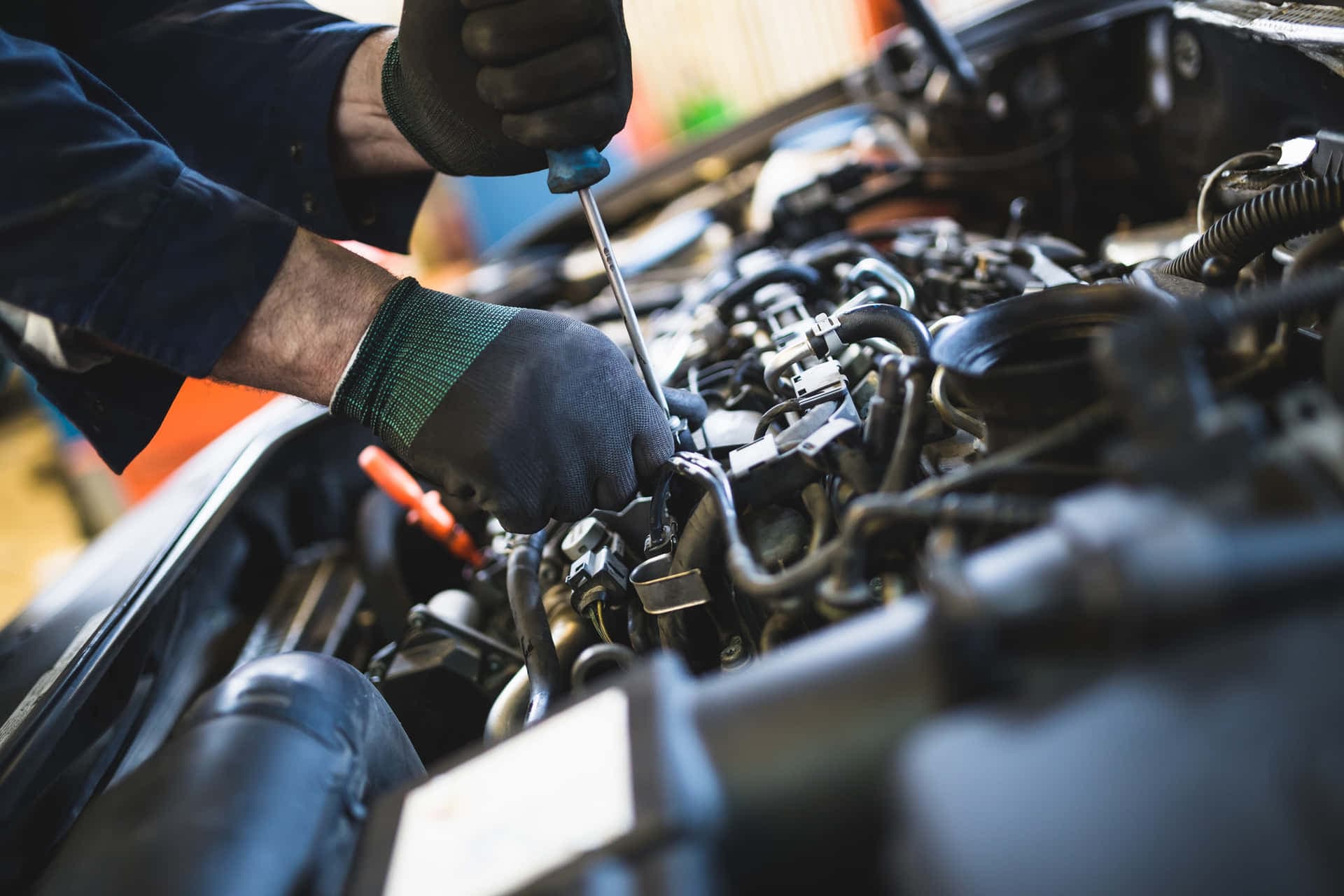
Complete vehicle inspection
Car diagnostics in Kyiv
We find the cause of a fault through computer diagnostics, instrument measurements and a professional vehicle inspection.
- Modern diagnostic equipment
- System checks instead of guesswork
- A clear conclusion and action plan
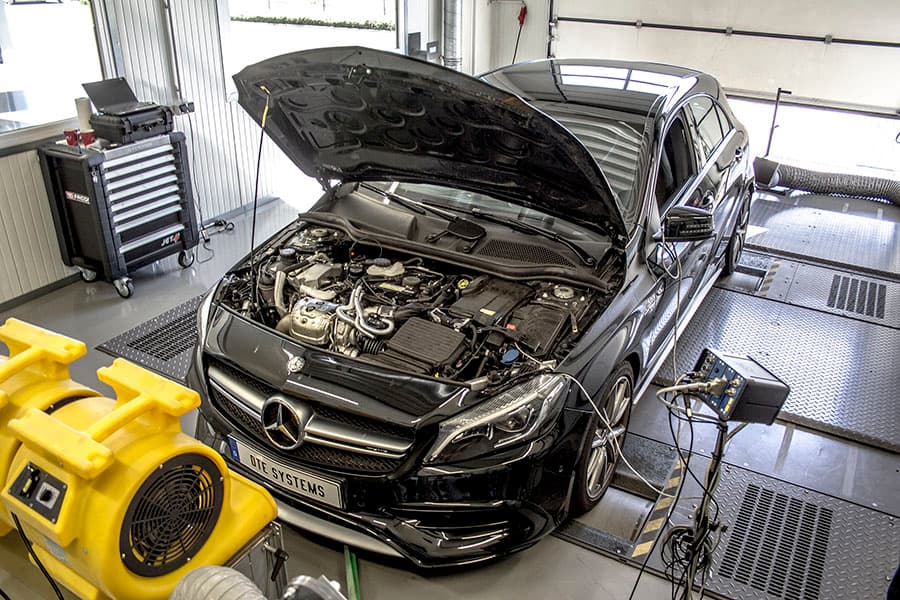
An accurate technical assessment
Complete car diagnostics
Comprehensive diagnostics is a structured inspection of a vehicle’s electronic systems, engine, chassis, brakes and other critical components. We combine control-unit scanning with visual checks and instrument measurements.
This approach helps us locate the fault, distinguish its cause from its symptoms and prepare practical recommendations for further maintenance or repair.
When to book an inspection
Signs your car needs diagnostics
Do not postpone an inspection when the vehicle behaves differently or you need an objective assessment of its condition.
- 01
Dashboard warnings
The Check Engine, ABS, Airbag or another onboard-system warning light has appeared.
- 02
Noise and vibration
You notice knocking, humming, vibration, jerking or unstable engine operation.
- 03
Changed performance
The vehicle has lost power, fuel consumption has increased or the engine is harder to start.
- 04
Before buying a car
You need to identify hidden faults and estimate upcoming maintenance needs.
- 05
After an impact
Even without obvious damage, the electronics, chassis and safety systems should be checked.
- 06
Preventive inspection
Regular checks can reveal wear before it develops into a serious fault.
A comprehensive approach
What car diagnostics include
The inspection scope depends on the symptoms, model and condition of the vehicle. The technician selects the right methods after the initial check.
Computer diagnostics
Reading fault codes, sensor values and live data from vehicle control units.
Engine and transmission
Assessment of the engine, fuel system, turbocharger, intake, exhaust and transmission.
Chassis and steering
Inspection of the suspension, shock absorbers, joints, steering mechanism and tyres.
Braking system
Inspection of pads, discs, lines, operating mechanisms and electronic driver aids.
Vehicle electrics
Testing the battery, alternator, starter, lighting, wiring and electronic systems.
Fluids and filters
Checking levels, condition and possible leaks of technical fluids, plus accessible filters.
A structured workflow
How diagnostics work
We collect the facts first, test the likely causes and only then prepare our conclusion.
- 01
We clarify the symptoms
We record the complaint, the conditions in which it occurs and the vehicle’s service history.
- 02
We perform an initial check
We assess the general condition, visible damage, leaks and characteristic signs of wear.
- 03
We run the tests
We connect diagnostic equipment and carry out measurements and functional checks.
- 04
We explain the findings
We tell you what was found, what needs attention and which next steps make sense.
FAQ
Frequently asked questions about car diagnostics
How often should a car be diagnosed?+
For prevention, it is sensible to inspect the vehicle at least once a year or during scheduled maintenance. If warning lights, noises, vibration or other changes appear, book an inspection immediately.
Are computer diagnostics enough?+
Not always. A scanner shows data from electronic control units, but mechanical faults, leaks and wear often require a visual inspection, measurements or additional tests.
Should a used car be checked before purchase?+
Yes. A professional inspection can reveal hidden faults, assess the technical condition and help you make an informed decision before completing the purchase.
How long do diagnostics take?+
The duration depends on the symptoms, vehicle design and the checks required. After the initial inspection, the technician can explain the expected scope of work.