

DPF removal in Kyiv
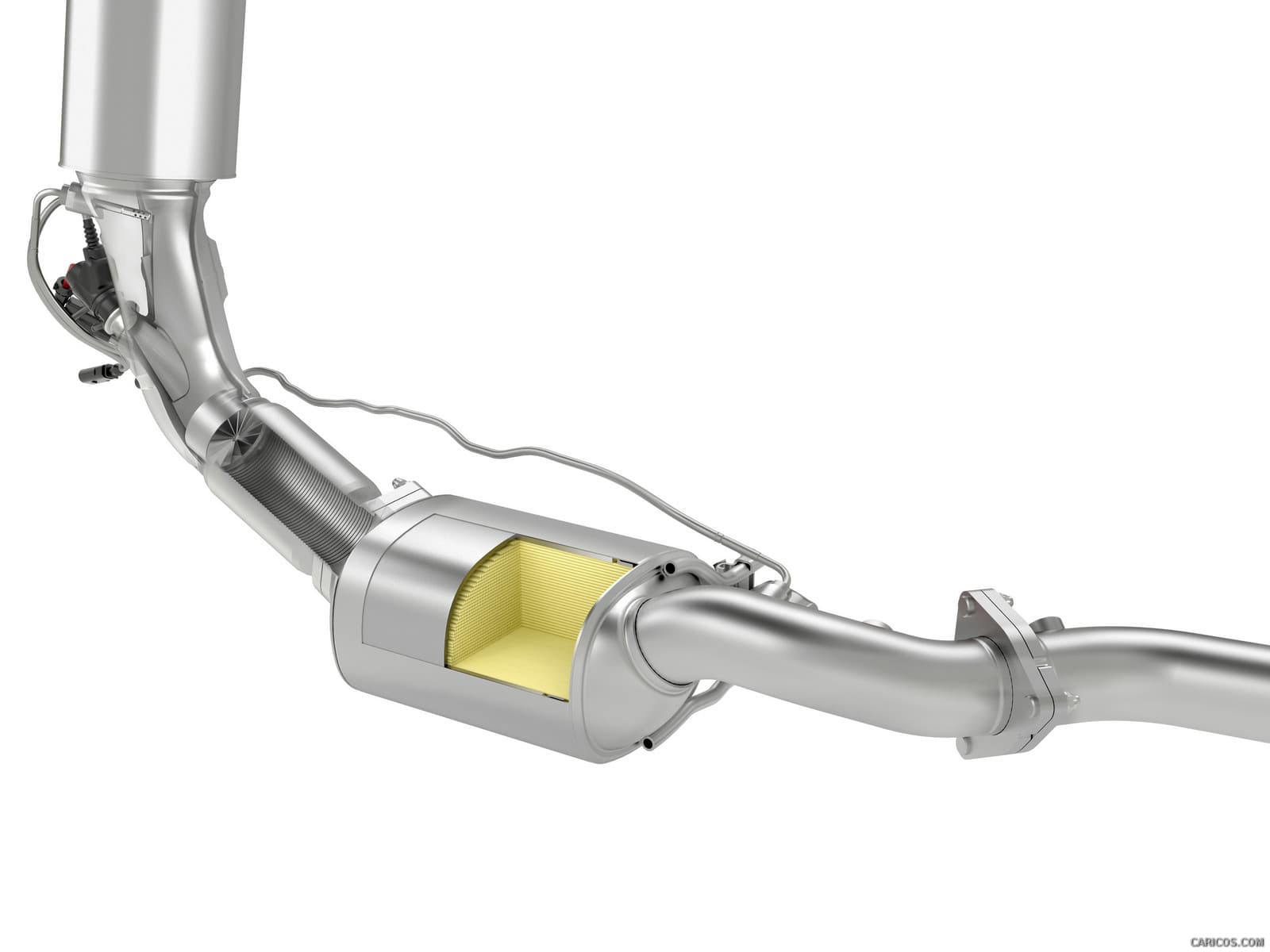
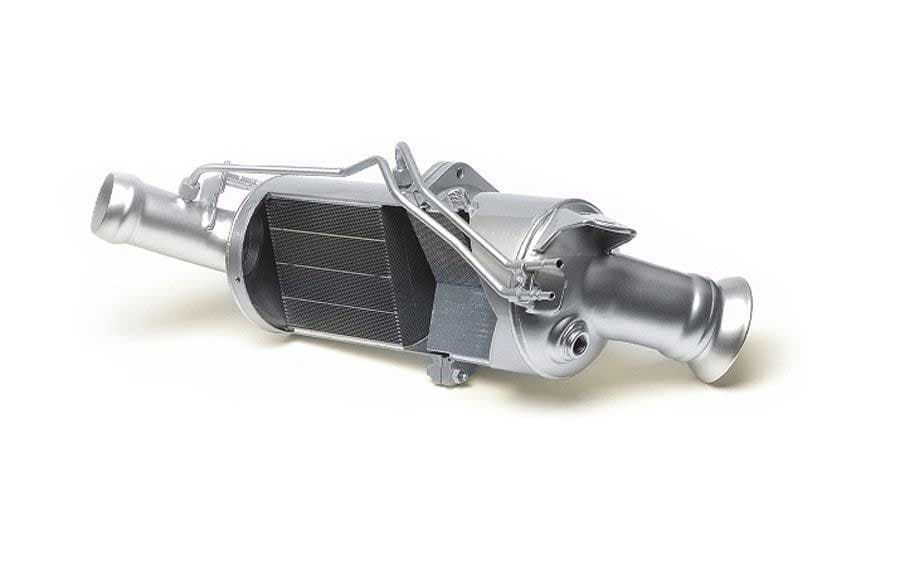
PARTICULATE FILTER DPF PDF FAP
High-quality service for repair, maintenance and disabling of the Particulate Filter (DPF, PDF, FAP) on Passenger Cars. Solving any problems from specialists in this matter.
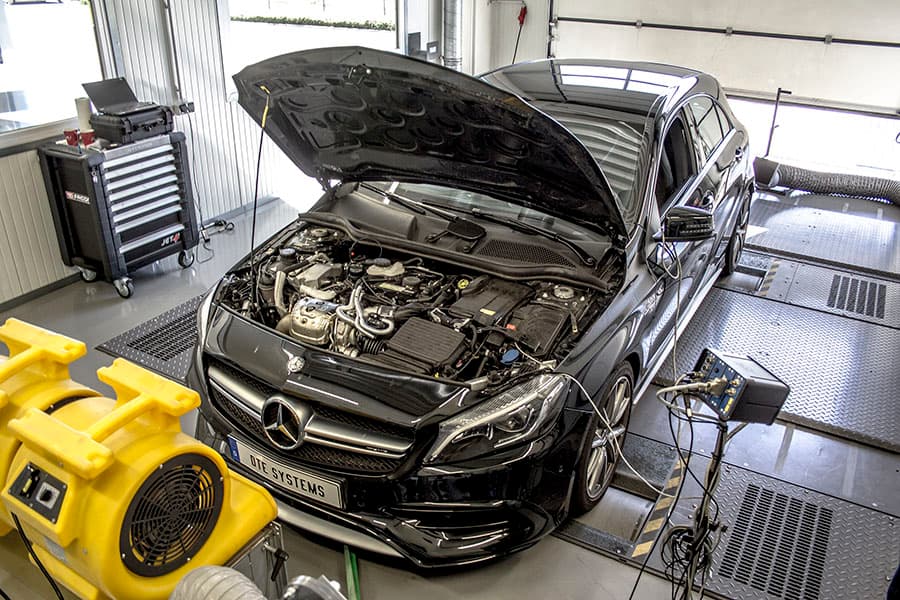
WE CARRY OUT A FULL SET OF WORKS WITH DARTICLE FILTER
- DIAGNOSIS OF A FAULTY PARTICULATE FILTERFind the exact cause of system failure and return it to working condition
- MECHANICAL CLEANING OF THE FILTERCleaning the DPF Particulate Filter using the latest 3-step chemical cleaning procedure, which has no analogues on the market
- REMOVING THE PARTICULATE FILTERA full range of work, including mechanical removal and reprogramming of the engine control unit
- SOLUTION TO THE PROBLEM AFTER LOW-QUALITY SERVICEAnalysis of changes made and correction of errors made by third-party services
DETAILS ABOUT PARTICLE FILTER
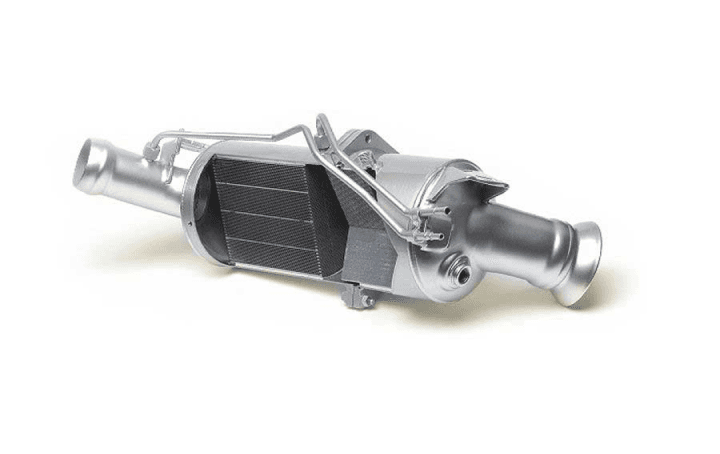
Typically, the filter service life is 200 thousand kilometers, and it should not cause problems if used correctly. But often problems arise at mileage of 40 thousand or even less. Why is this happening? There are several main reasons:
- Physical wear and/or destruction.
- Poor quality fuel.
- Failure of one or more filter components (sensors).< /li>
- Oil getting into the exhaust system.
- Operating the car in the non-regeneration mode.
It is important to take into account the main factor - the filter cannot accumulate soot indefinitely, but -this periodically starts the filter burning or regeneration procedure. To successfully perform it, the car must move for approximately 15-25 minutes at high speeds with a fully warmed-up engine, when the temperature of the exhaust gases can rise to 650-800 degrees. Only in this case the filter is cleaned. During urban operation (especially short trips), the burning practically does not turn on, the filter quickly becomes clogged with soot and fails. The same thing happens if the components that control the condition of the filter and systems involved in the burning process malfunction.
Symptoms of a malfunctioning particulate filter
There are several symptoms by which you can understand that there is a problem with the DPF:
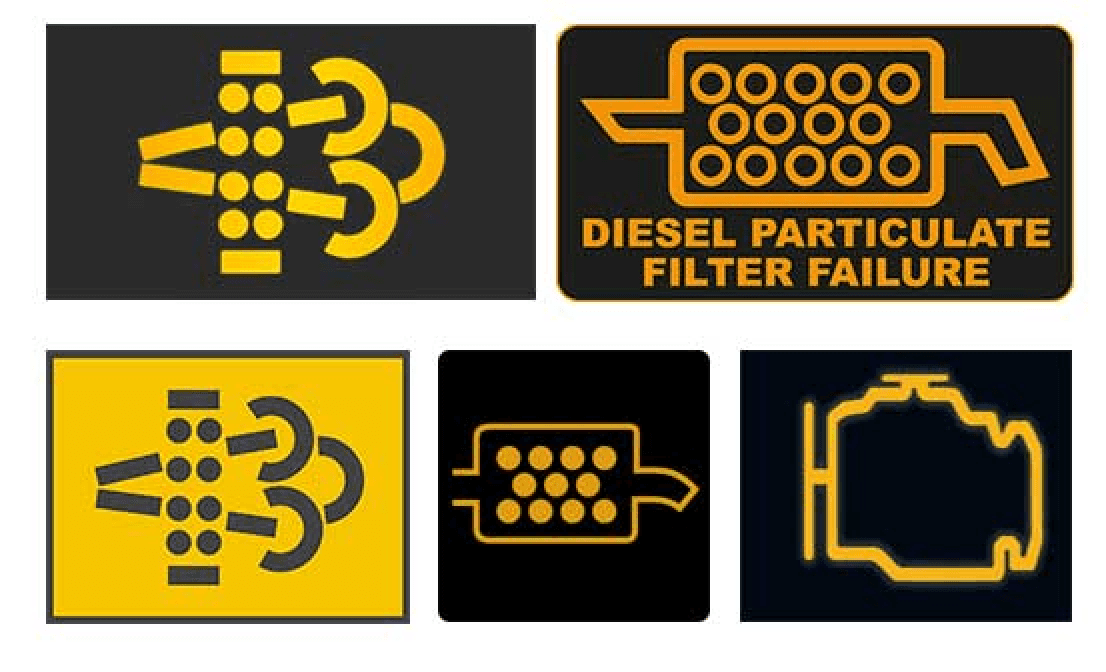
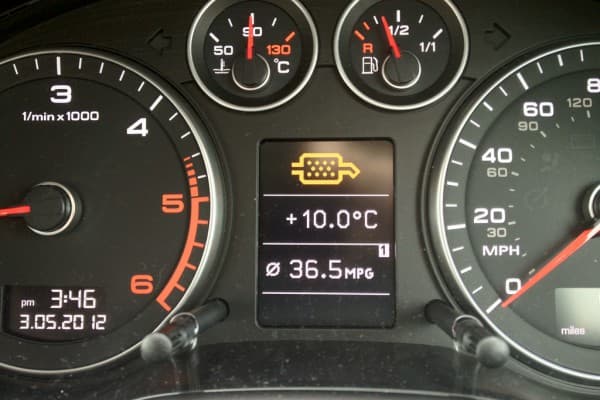
- The “check engine” and particulate filter malfunction symbols have appeared.
- Loss of traction or the turbine has turned off .
- Failure of the turbocharger, including after repair. A clear sign of a problem with the particulate filter. When it is clogged, a large back pressure is created, the geometry of the turbine becomes clogged with soot and it jams (complaint about under- or over-blowing of the turbine), soot adheres to the turbine impeller, resulting in an imbalance.
- An increased oil level is a clear indication of a problem with the DPF. Due to constant regeneration, diesel fuel enters the lubrication system, resulting in increased wear of all engine parts.
- A symptom of a faulty filter can also be increased fuel consumption (especially on Toyota/Lexus cars), the engine begins to stall or does not start at all, periodically smokes heavily (active regeneration).
- Failure of sensors. Soot that cannot come out freely leads to rapid failure of the sensors that monitor the condition of the filter, and ultimately to its destruction.
- Extraneous sounds when re-gasping. The engine is reluctant to pick up speed, “sneezes” when the speed is dropped, the turbine “hisses”, etc.
- Thick black smoke appears periodically. This mainly affects owners of cars equipped with an additional nozzle for burning the particulate filter.
- Constant regeneration or too frequent interval of switching on the particulate filter burning.
SOLUTION OPTIONS for PARTICLE FILTER PROBLEM
It would seem that the simplest and most reliable option is to simply replace the faulty DPF with a new one. But it's not that simple. Firstly, the cost of a new original filter can reach up to 3000 euros (on average 1200 installation). Secondly, replacement DOES NOT guarantee that the same thing will not happen to the new filter - you can replace the filter, but not eliminate the cause of its failure. This leads to new costs for repairing sensors and components. There is an option to save money and install a non-original filter (from 300 euros), but, in our practice, their service life is from 1 month to a year, then everything is repeated. After replacing the filter, it is also necessary to carry out the adaptation procedure for the new filter. All these procedures can be carried out in our service.
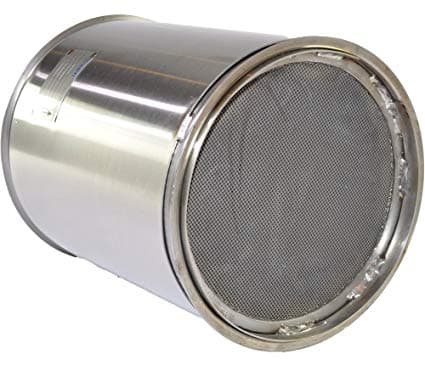
By deep cleaning using special chemicals, complete restoration of the filter’s functionality is achieved. The most important factor in correctly carrying out the procedure is to contact professionals in this matter in order to eliminate the cause of the failure and not just “wash” the filter and not make it even worse. The advantage of this solution is the restoration of the filter’s functionality and the absence of recurrence of problems in the near future. Cons - cleaning cannot be done if the filter begins to deteriorate, sometimes expensive sensors need to be replaced, sooner or later the problem will happen again. From our practice, cleaning is effective for a mileage of up to 150 thousand, everything higher is 50/50, since the Particulate Filter has its own resource (around 200 thousand) and it loses physical properties that cannot be restored by cleaning.
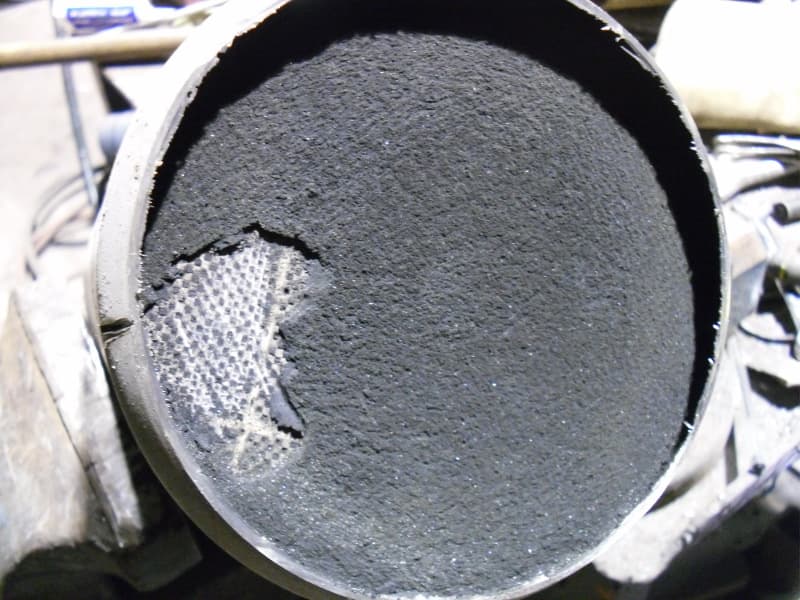
WE PERFORM PROFESSIONAL CLEANING USING TECHNOLOGY AND CHEMISTRY THAT HAVE NO ANALOGUES. WE ALSO ELIMINATE THE REASONS FOR FILTER FAILURE. YOU CAN SEE AN EXAMPLE OF WHY IT IS IMPORTANT TO TRUST CLEANING TO PROFESSIONALS BELOW. IMPROPER CARRYING OUT THE PROCEDURE WILL LEAD TO COMPLETE FAILURE OF THE FILTER, AS WELL AS ATTEMPTS TO CLEAN A FAULTY FILTER
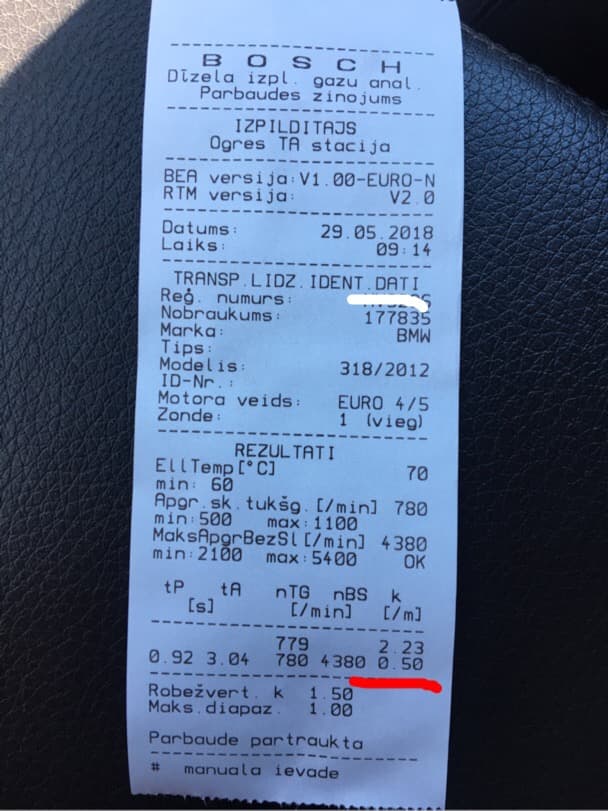
The idea is simple - physically remove the clogged particulate filter. Removing DPF also implies executing the software part, since if this is not done, the car will enter emergency mode. The advantages are obvious - you will solve the problem once and for all, make the “life” of the engine and turbine easier due to the absence of an obstacle and the need to push exhaust gases through the filter. The downside is that the car will become less “environmentally friendly”, but after reading further you will understand that all this is conditional. Other problems (plumes of black smoke, inability to pass maintenance, errors, etc.) are far-fetched or are the result of contacting non-professionals. Below we show the facts. In our service, you can perform a full range of work on qualified removal of the Particulate Filter; we do all stages of the work ourselves (mechanical and software) - this guarantees an excellent result, no problems, and our full responsibility. We do not use emulators or other low-quality solutions - a serious approach to a high-quality lifelong solution to the problem.
Filter removal: Ecology, Black smoke, Inspection
It is important to remember that sometimes minor savings entail greater expenditure of money, nerves and time than the work of a qualified specialist. Below is an example of our work.